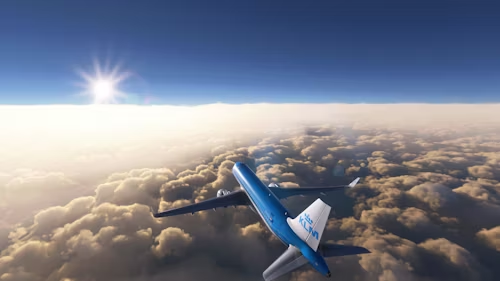
Look at the sky. Do you see the thin figure leaving a stark white mark amidst the vast blue? It is a jet plane, a marvel of modern engineering that has shrunk our world and connected our lives. For decades, the sight and sound of the jet has been a symbol of power, speed, and human ambition. But right now, beneath the familiar roar, a quiet revolution is beginning. The world of jet aircraft is changing how we travel, how we ship goods, and even how we think about our planet.
It’s not just about building a faster jet or a bigger jet. This is a fundamental change. We are entering an era where jets are smarter, cleaner, quieter, and more accessible than ever. Every part of the modern jet is being redesigned, from the fuel in the tanks to the airframe on which it flies. This article will explore six unstoppable trends that are revolutionizing jet aircraft right now. So, fasten your seat belts and get ready to take off as we explore the future of flying.’
Table of Contents
1. The Green Sky: The Unstoppable Trend of Sustainable Aviation
For a long time, the environmental impact of flying has been the industry’s biggest challenge. The image of a jet spewing carbon dioxide into the atmosphere is a blemish on its incredible achievements. But that is changing fast. The most powerful trend in aviation today is the urgent pursuit of sustainability. The industry has set itself a bold goal: net zero carbon emissions by 2050. To get there, traditional jets are getting a green makeover.
The most immediate change is happening with Sustainable Aviation Fuel, or SAF. Think of SAF as recycled energy for your jet. Rather than being made from fossil fuels dug out of the ground, SAF is produced from sustainable sources such as cooking oil, agricultural waste and even carbon captured from the air. The beautiful part? A jet can fly on SAF without making a single modification to the existing engines. It is a drop-in solution that can reduce carbon emissions by up to 80% over its life cycle compared to conventional fuel. Airlines now operate regular flights operated solely by the SAF, proving that green jets are not a fantasy – they are a reality today.
But innovation does not stop with fuel. Engineers also work on revolutionary new designs. Imagine a jet aircraft with a completely different shape – a blended wing body, where the wings blend seamlessly into the fuselage. The design is incredibly aerodynamic, reducing air resistance and thus fuel consumption. This type of jet will look like a futuristic flying wing from a sci-fi movie, but it is being tested in hangars and wind tunnels as we speak.
2. The Thinking Machine: How AI is Becoming the Co-Pilot
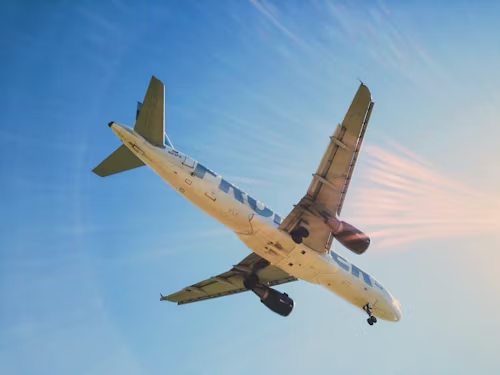
Remember when a “smart” device was a phone that could send email? Today, artificial intelligence (AI) is everywhere, and the cockpit of a modernaircraft is no exception. The other unstoppable trend is the rise of AI-powered. This does not mean that robots will replace pilots. Instead, AI is becoming an incredibly capable co-pilot, making flying safer, more efficient and easier for everyone.
Let’s start on the ground. Before even turns back from the gate, the AI is already hard at work. It analyzes millions of data points – weather patterns, air traffic, airport congestion and the own mechanical condition – to plot the most efficient route. It can calculate the correct altitude and speed to save fuel while avoiding turbulence. For pilots, this means less guesswork and more strategic decision-making, supported by a supercomputer that can see the bigger picture.
In the air, the AI acts as a guardian angel. Modern aircraft generate terabytes of data in each flight. AI systems monitor this data in real-time, predicting potential maintenance issues before they become serious problems. They can alert the crew to irregularities that the human eye might miss. This predictive maintenance means that a jet can be operated exactly when and where it is needed, preventing delays and ensuring that every component is in perfect working order. It’s as if a doctor is constantly monitoring the plane’s vital signs.
3. The Supersonic Comeback: Breaking the Sound Barrier, Again

For those who remember Concorde, the dream of supersonic travel never really died. The iconic image of the jet flying faster than the speed of sound represents the pinnacle of luxury and speed. But his retirement in 2003 left a sonic boom-sized hole in the sky. Now the dream comes alive again. The third trend is the return of the supersonic jet, but this time it’s smarter, cleaner, and designed just for the ultra-rich.
The problem with the original supersonicwas twofold: it was incredibly fast and very inefficient. The enormous sound wave it generated meant it could only fly at maximum speed over the ocean, and the thirsty engines made tickets very expensive. A new generation of supersonic jet designers is tackling these issues head-on.
Also, these new supersonic aircraft are being designed from the ground up with the latest engine technology, making them far more fuel efficient and less polluting than their predecessors. The goal is to create a that not only breaks the sound barrier, but also breaks the old stereotype that supersonic travel is useless and exclusive. This new aims to be a practical, sustainable machine for business and first-class travel, bringing the magic of speed back to the skies.
4. The Electric Dream: The Quiet Hum of the Future
When we think , we think of thunder. But the fourth trend is working to replace that roar with a quiet hum. The electrification of aviation is perhaps the most forward-looking trend, and it is moving at a breathtaking pace. While all-electric large commercial are still a long way off, the technology is already taking off in small, revolutionary ways.
The most promising area is in hybrid-electric systems, similar to the Toyota Prius, but for the sky. These systems will use a conventional engine to generate electricity, which will be used to rotate electric motors that drive fans. This allows the jet engine to continuously run at its most efficient speed, leading to significant fuel savings and quieter operation. For regional flights, this could be a change that makes jet services to smaller communities cheaper and less noisy.
Then there is the all-electric Pioneer. Small, all-electric aircraft, often called eVTOL (electric vertical take-off and landing), are being tested in cities around the world. Although they are not jets in the traditional sense, they use advanced electric propulsion technology that directly influences the design of large aircraft. These “flying taxis” promise to glide us through city traffic, and the lessons learned from their batteries and motors will eventually lead to larger regional jet designs.
5. The Hyper-Connected Journey: Your Flight, Your Ecosystem
Today, being offline for hours is an unpleasant thought for many people. The fifth trend is to make the time you spend on the jet just as connected and productive as the time you spend in the office or at home. The modern jet is becoming a flying internet hub, a node in a global network that keeps you seamlessly connected to the world below.
Wi-Fi on airplanes has been around for a while, but it’s notoriously slow and expensive. It is changing rapidly. New satellite constellations are being launched specifically to provide high-speed, low-latency internet to aircraft over oceans, deserts, and polar regions anywhere in the world. Soon, streaming your favorite movie, making crystal-clear video calls, or playing an online game from 35,000 feet will be just as easy as doing it from your living room.
But this connectivity goes far beyond passenger entertainment. It’s about the entire ecosystem of Jet. Real-time data from the jet’s systems continuously streams to the ground, so maintenance crews can be ready with the right parts and tools as soon as the plane lands. Pilots can receive live weather updates and revised flight plans in the blink of an eye. Air traffic controllers can control the airspace with unprecedented precision.
6. The New Golden Age: Luxury and Experience Reimagined
The very last trend brings us back to the human heart of flying: the experience. The “Golden Age of Flight” of the mid-20th century became defined through luxury—spacious cabins, first-class china, and elegant providers. Then, air travel has become mass-market, and for many, it has become a cramped, utilitarian experience. But a new golden age is dawning, one that makes use of technology and layout no longer only for performance, but to restore the joy and comfort of flying.
The cabin of the Destiny jet is being absolutely rethought. We’re shifting far away from the one-size-fits-all tube and towards adaptive, smart spaces. Think of seats that screen your essential signs and symptoms that will help you combat jet lag, or windows that might actually be big, high-definition monitors that could show you the view outside, display a map, or transform into a film display. Ambient lighting fixtures will simulate a dawn to softly wake you up earlier than touchdown.
For the ones in premium cabins, the experience is turning into even greater personalised. The modern-day business magnificence suites on a modern long-haul jet offer complete-height doors, fully flat beds, and personal wardrobes, creating a private inn room within the sky. The provider is becoming increasingly bespoke, with pre-ordered meals, curated entertainment, and connectivity that allows you to control your entire environment from your smartphone.
This fashion is about humanizing the journey. It recognizes that a flight is more than just transportation from A to B; it’s a bit of your existence. Whether you’re touring for an as soon as once-in-a-lifetime excursion, a crucial commercial enterprise meeting, or to visit loved ones, the brand new jet revel in is being designed to make that point cushty, non-violent, or even exciting. It’s about ensuring that when you step off the jet, you feel exactly equipped to embrace your destination.
7. Conclusion: A Future Written in the Sky
The jet revolution is not a single story. These are six powerful trends that, woven together, push the boundaries of what is possible. This is a story about a green jet, a smart jet, a faster jet, a quieter jet, a connected jet, and a more human-centric jet. This is not a distant future; The seeds of all these changes are being sown today and are beginning to develop.
The next time you see a jet plane carving a path across the sky, think of it not just as a machine, but as a symbol of human potential. It represents our constant desire to explore, connec,t and improve. Jet’s journey is our journey – a journey of innovation, responsibility, and a deep desire to bring the world together. The skies have never been so exciting, and the humble jet is leading the way, ready to take us into a brighter, more connected future.
1. What’s driving the biggest change in private jet travel today?
Sustainability is leading the charge—next-gen sustainable aviation fuels (SAF), electric propulsion advances, and carbon-offset integration are reshaping how we fly.
2. How is AI transforming the jet aviation experience?
From predictive maintenance and autonomous co-piloting systems to hyper-personalized inflight services, AI is making jet travel smarter, safer, and more seamless.
3. Are private jets becoming more accessible?
Yes! Fractional ownership, jet-sharing apps, and subscription models are democratizing access—offering flexibility without the full price tag of traditional ownership.