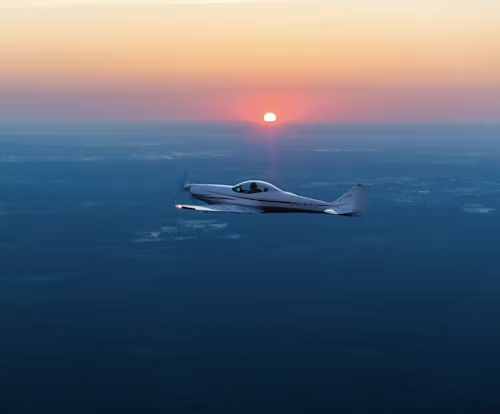
Imagine the feeling. You settle into your seat, the familiar rumble begins beneath you, and the world outside begins to fade away. All this is about to change. We are at the beginning of a new era in aviation, where the word “jet” is being redefined not only for the elite but for everyone who dreams of crossing the skies and seas.
It’s not just about going faster or further. It’s about flying smarter, cleaner, and more harmoniously with our planet and our lives. The next generation of jet aircraft is born from a confluence of necessity and exciting innovation.
It is a story of human ingenuity to meet our greatest challenges. So fasten your seat belts (symbolically, for now) as we explore five epic breakthroughs that are shaping the future of the jet. This is a deeply human story – about engineers who dream, about environmentalists who lead, and about everyday travelers whose world is becoming a little smaller and a lot more connected.
Table of Contents
1. The Whisper Revolution: How the Next-Gen Jet is Learning to Speak Softly
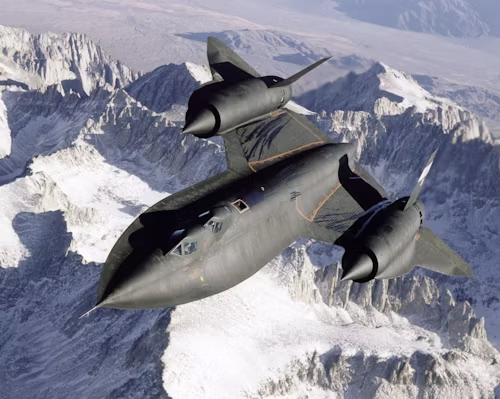
For communities living under flight paths, the roar of jet engines is much more than background noise; It is a daily disturbance. Relations between airports and their neighbors have often been tense, a symphony of progress played at uncomfortable volumes. But a quiet revolution is underway, which aims to turn the roar into a whisper.
The breakthrough lay in a radical reimagining of the jet engine. Companies like NASA and Airbus, through programs like the Quest mission and its X-59 jet, are pioneering “quiet supersonic” technology. Mystery?
It’s all in size. By designing a long, thin fuselage, they were able to prevent the explosive sonic boom—the thunderbolt that limited Concorde to sea travel—from reaching the ground. Instead, it has been reduced to a faint ‘thunk’ sound, no louder than a car door closing on the street. It’s not just about speed; It’s about etiquette. It’s about being a good neighbor to a jet.
Furthermore, for conventional driving, new engine designs with greater mass, higher bypass ratios, and jagged edges on the exhaust nozzles reduce noise pollution by half compared to aircraft of just twenty years ago.
2. The Green Sky Dream: The Jet Powered by Air and Ambition
Perhaps the maximum urgent motive force of innovation is the weather disaster. Aviation accounts for a remarkable slice of worldwide emissions, and the stress to decarbonize is tremendous. The solution is emerging not from one single source, but, from a portfolio of formidable answers, each redefining what fuels a jet.
Leading the price are Sustainable Aviation Fuels (SAFs). These aren’t futuristic principles; they’re getting used nowadays, blended with traditional gasoline. Derived from resources like used cooking oil, agricultural waste, or even captured carbon, SAFs can reduce lifecycle carbon emissions by means of up to eighty. The subsequent-technology jet could be designed to run on one hundred% SAF, a crucial stepping stone.
But the horizon holds even more promise: hydrogen. Picture a jet whose simplest emission is water vapor. Hydrogen-powered aviation is available in paperwork. The first is hydrogen combustion, in which hydrogen burns in modified jet engines. The second, even more modern, is hydrogen gas cells generating electricity to power propellers or fanatics. Companies are already flying small testbed aircraft, proving the concept works. The venture is enormous—requiring completely new aircraft designs with large hydrogen storage tanks and an entire overhaul of airport fueling infrastructure—howeve,r the human will to clear it up is far stronger. This is the jet as an image of obligation, a testament to our collective ambition to preserve the very skies we traverse.
3. The Pilot’s New Copilot: When the Jet Thinks for Itself
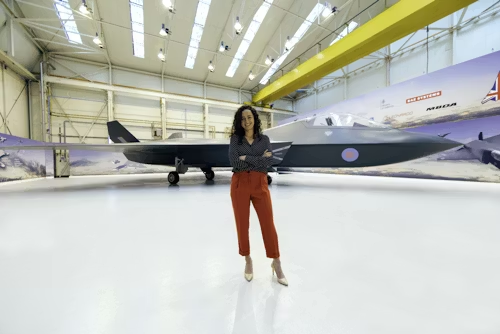
Step into the cockpit of the future. You’ll still find highly trained pilots, but their roles are evolving from hands-on operators to mission managers. This is due to artificial intelligence and advanced automation that has become the jet’s innate nervous system.
Think of it as a jet plane with deep situational awareness. AI systems can process massive amounts of data in real time – weather patterns, forward turbulence, the health of each onboard system, the conditions of other aircraft – and present customized solutions to the crew. It can suggest the most fuel-efficient altitude, plot an easier course around storms, or anticipate the need for maintenance before a failure occurs. In critical situations, it can give pilots a single prioritized “best course of action” to get the plane out of stress and complexity.
This success is deeply human-centric. It is not about replacing pilots, but about strengthening them. This reduces fatigue, reduces human error (a factor in many incidents), and allows human crews to make higher-level decisions and focus on overall safety management. The jet becomes a true companion, a sentient machine that expands human potential. For passengers, this means unprecedented levels of safety, punctuality, and availability. It is the quiet, intelligent confidence of a machine that knows its job that protects the human life within it.
4. The Shape of Speed: Morphs and Bends
For more than half a century, the tube-and-wing design has dominated the skies. But next-generation jets are literally breaking the mold. Inspired by nature and enabled by advanced materials, the airframe itself becomes adaptive and intelligent.
Enter the concept of “morphing wings”. Using lightweight, flexible composite materials and embedded actuators, future wings could change shape in flight like a bird. During take-off and landing, they can present a more complete curve for maximum lift. Duringa cruise, they can be smoothed out and returned to optimum efficiency. Some concepts even eliminate conventional flaps and hooks, making the entire wing surface smooth to reduce drag and noise.
The blended wing body design, where the fuselage and wing merge into a single, aerodynamic shape, promises a revolutionary leap forward. This flying jet will offer more cabin space and dramatically lower fuel consumption. These aren’t just new looks; A radical reimagining of flight physics, they promise a jet that interacts with the air in a more graceful, efficient, and almost organic way. This is a lesson in human engineering from the oldest aviator: from nature itself.
5. The Connected Journey: Flying Smart Hub
Today, boarding a jet often means entering a digital dead zone or paying for slow Wi-Fi. The jet of the future sees your flight not as an interruption in the connection, but as the most productive or fun leg.
But this goes beyond passenger entertainment. This enables “connected jets”. Real-time engine performance data can be streamed to ground crews for predictive maintenance. Air traffic control can move from congested radio channels to precise digital data exchange, optimizing airspace for safety and efficiency.
In the event of a medical emergency, a jet can become a telemedicine suite, instantly connecting patients to specialists on the ground. This hyper-connected jet transforms the cabin from an inert tube into a dynamic node in our global network, making the world seem smaller than it really is, and that’s useful.
6. Conclusion: A More Human Sky Awaits
The story has always been a story of human ambition. From the primal roar of the Comet to the brilliant efficiency of the Dreamliner, each generation has reflected our desires and our technological maturity. The next chapter, however, is singularly intense. It is not defined by a single, brute-force metric like speed, but by a set of intelligent, compassionate, and sustainable progress.
Breakthroughs in silent flight, green propulsion, intelligent systems, adaptive for, and seamless connectivity come together to create something new. They promise a jet that respects our communities, protects our planet, increases safety, flies with great efficiency, and keeps us connected to the fabric of our lives.
The next time you hear the sound of jets overhead, don’t just hear the noise of the day. Listen to the whispers from yesterday. A future where the journey is as remarkable as the destination on the horizon.
The development is one of humanity’s most compelling sagas, and its most exciting volumes are being written now, not just in engineering labs, but in the shared hope of a better, more connected world. As it turns out, the sky isn’t the limit. This is just the beginning.
What are the most exciting innovations in next-gen jet technology?
The future of aviation is being reshaped by breakthroughs like sustainable aviation fuels, AI-powered flight systems, ultra-efficient aerodynamic designs, hybrid-electric propulsion, and advanced noise-reduction technologies—all aimed at making flying cleaner, quieter, and smarter.
How will these jet innovations impact passengers?
Travelers can look forward to smoother, quieter flights, reduced environmental impact, improved cabin comfort through smarter pressurization and lighting, and potentially lower costs as efficiency gains are passed on over time.
Are these next-generation jets already flying?
While some technologies—like enhanced avionics and sustainable fuels—are already in limited use, full integration of next-gen features (like hybrid-electric engines or radical new airframes) is expected to roll out between 2030 and 2040, led by major aerospace innovators and startups alike.